


01
Hair Transplant
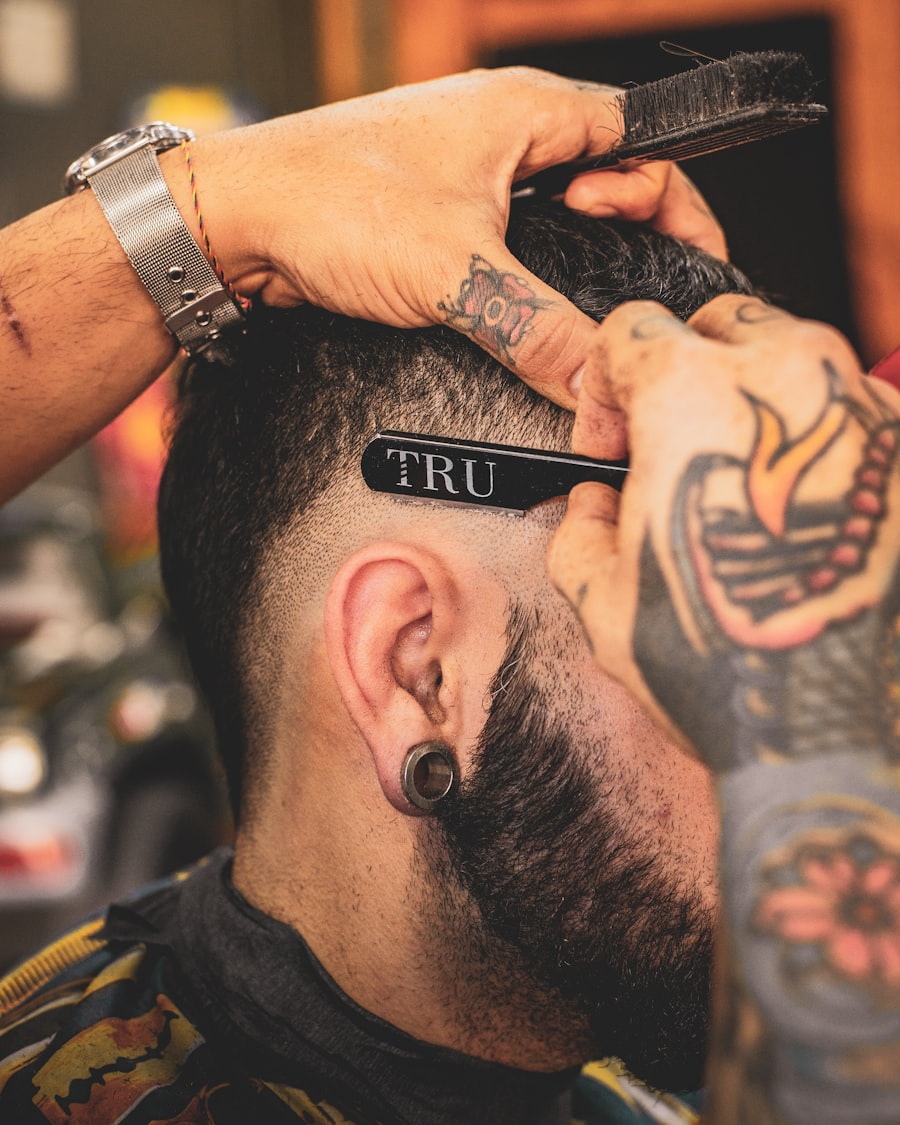
Follicle-by-follicle transplantation using sapphire blades for dense, natural growth direction.
Learn more
Our Treatments
No two patterns of hair loss are alike. Every plan begins with a diagnostic consultation and is built around your density, donor area and the proportions of your face.
Follicle-by-follicle transplantation using sapphire blades for dense, natural growth direction.
Learn more
The channel is opened and the graft set in place in one movement, for the finest control of angle and depth.
Learn more
Restoring density and definition to patchy beards, thin moustache corners and scarred areas.
Learn moreResults
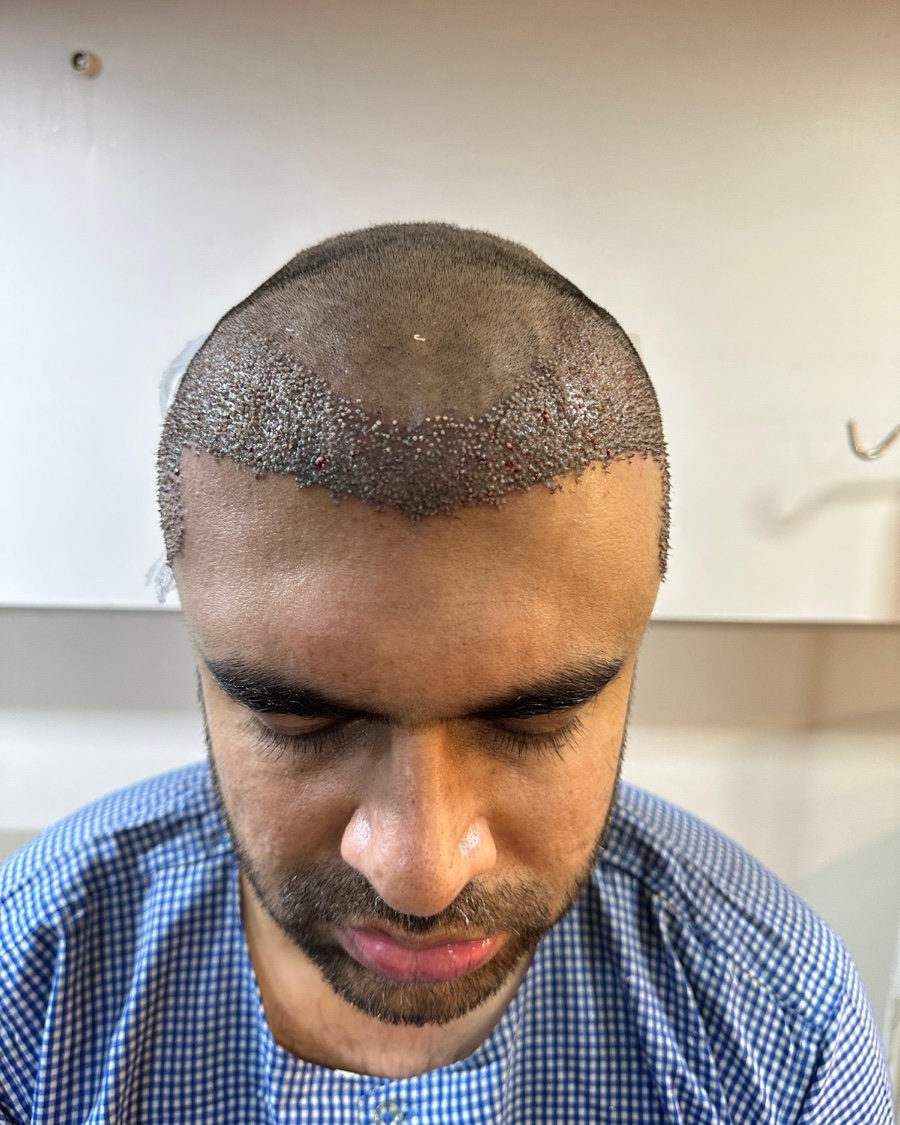
Drag the divider to compare. Each pair is one patient, photographed at the same angle at the start of treatment and again once the grafts have grown in.
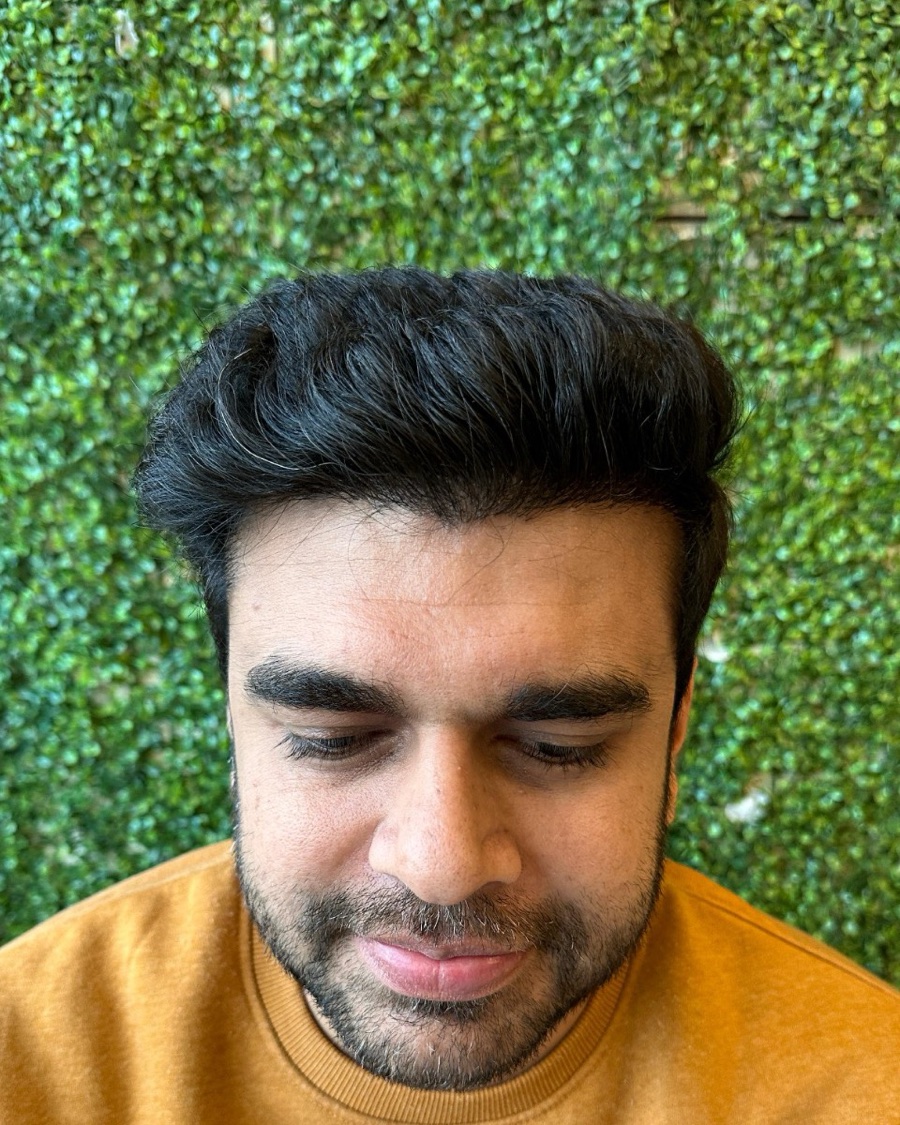
Select a case
Results vary between individuals. Patient photography is published with consent. Nothing on this site constitutes medical advice.
Case Wall
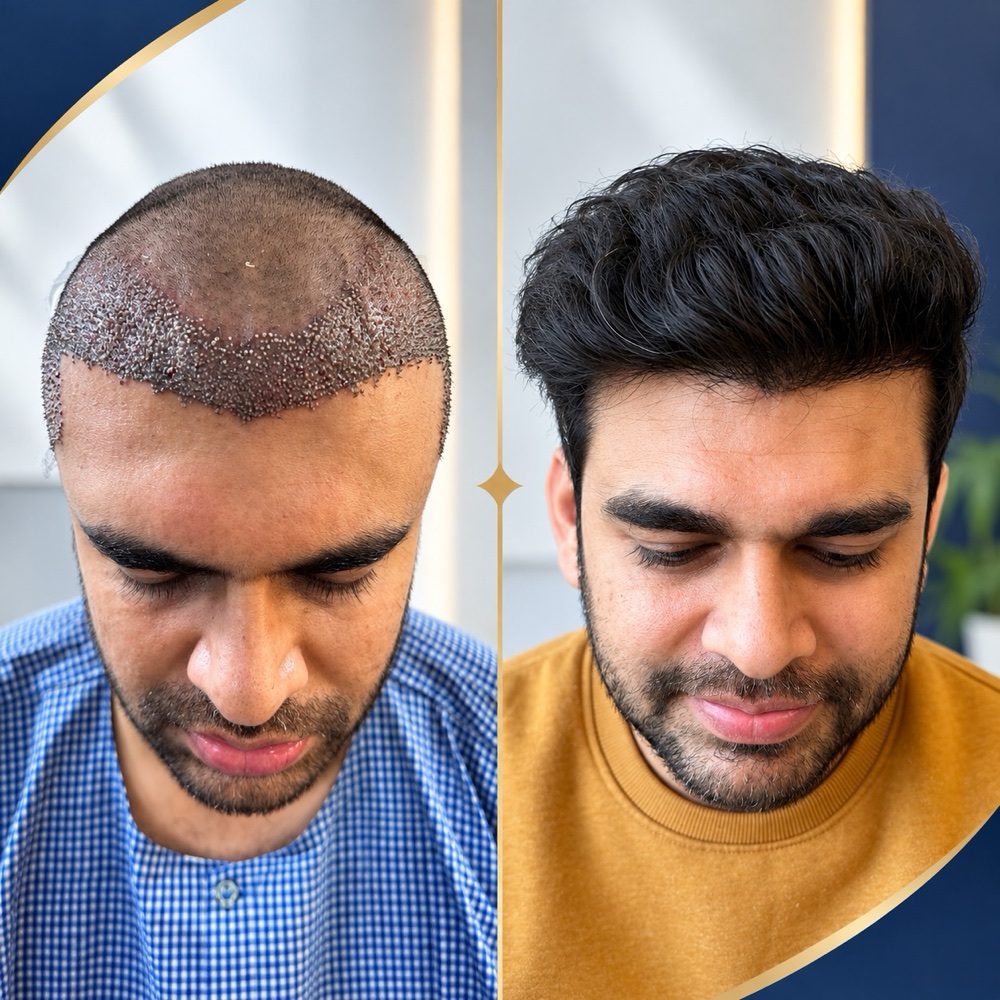
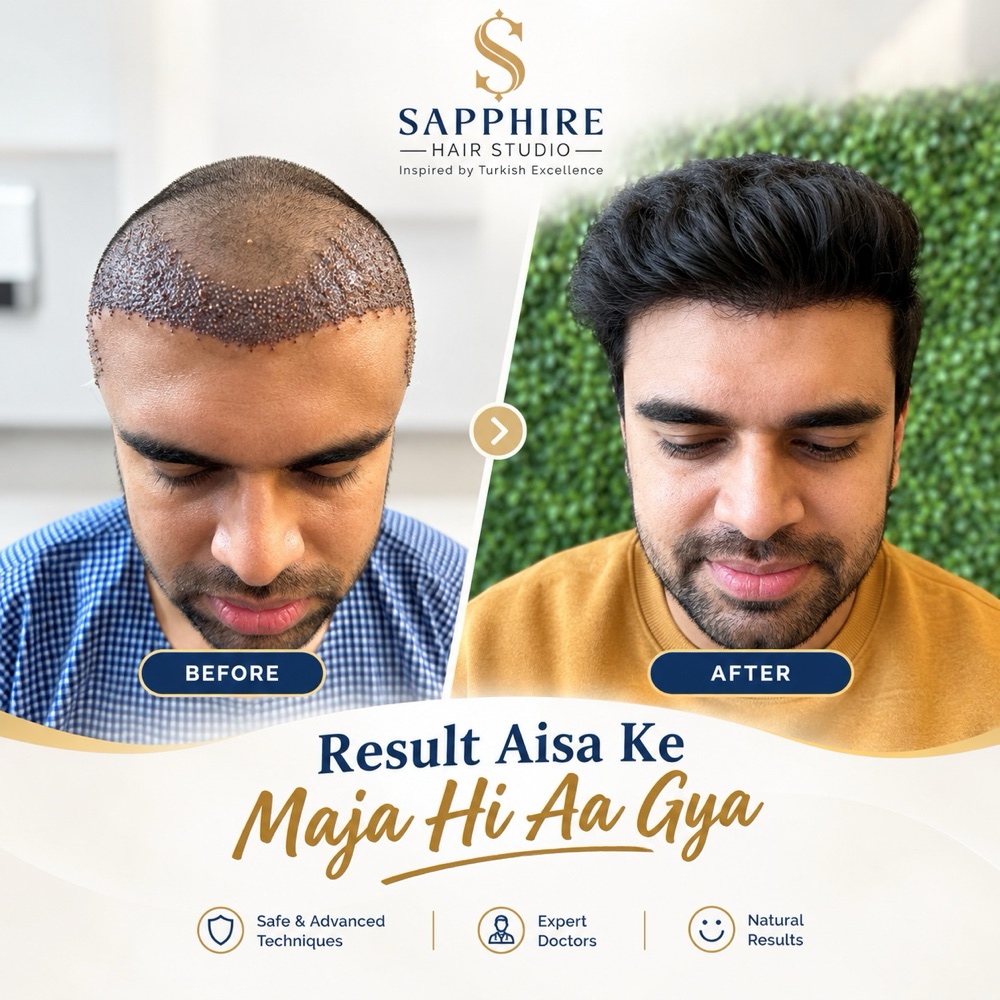
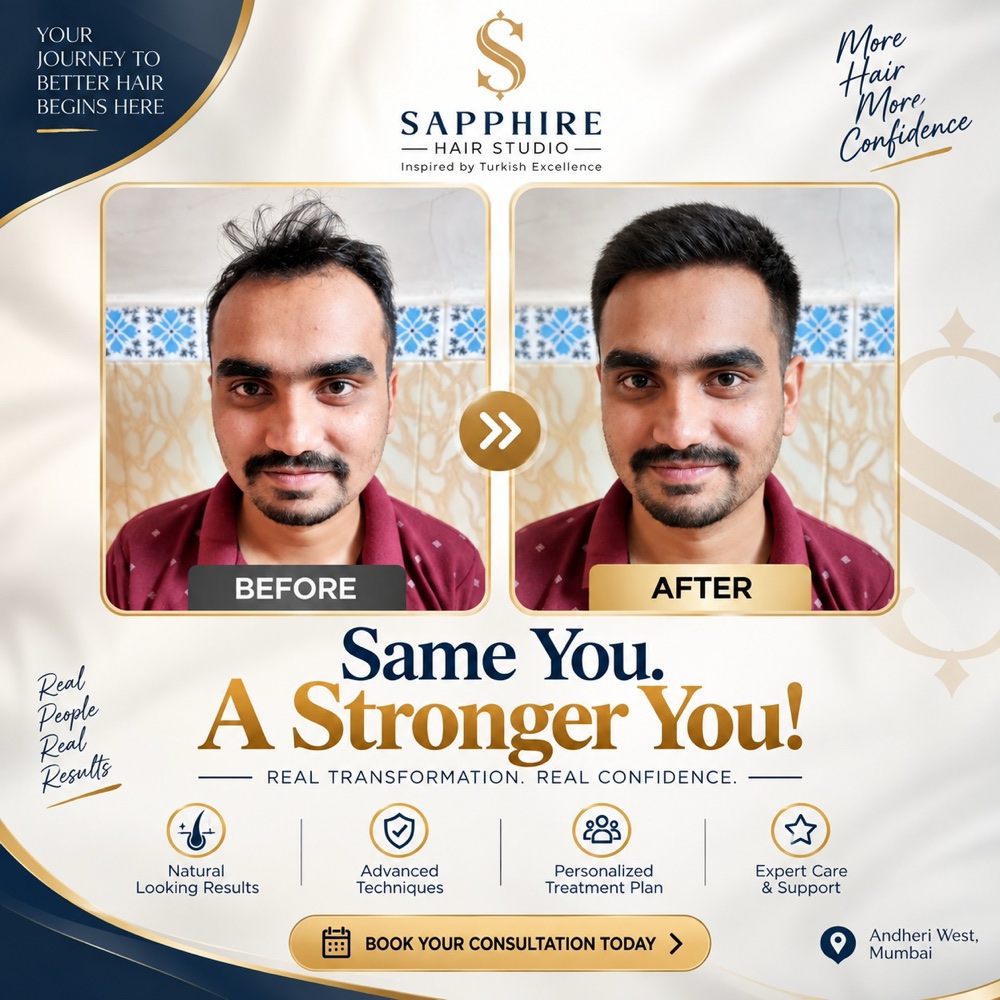

Results vary between individuals. Patient photography is published with consent. Nothing on this site constitutes medical advice.

The Sapphire Standard
Designed according to facial proportions.
Modern FUE and DHI procedures.
Every patient's hair loss is different.
Support continues after the procedure.
The Process
A conversation about your goals and history.
Density, donor area and pattern mapping.
Graft count and hairline drawn to your face.
A single day under local anaesthetic.
Guided washing, medication and check-ins.
Full density between ten and twelve months.
Our Specialists
Your procedure is performed by the same team that plans it — surgeons and technicians trained in the Istanbul clinics where these techniques were refined.
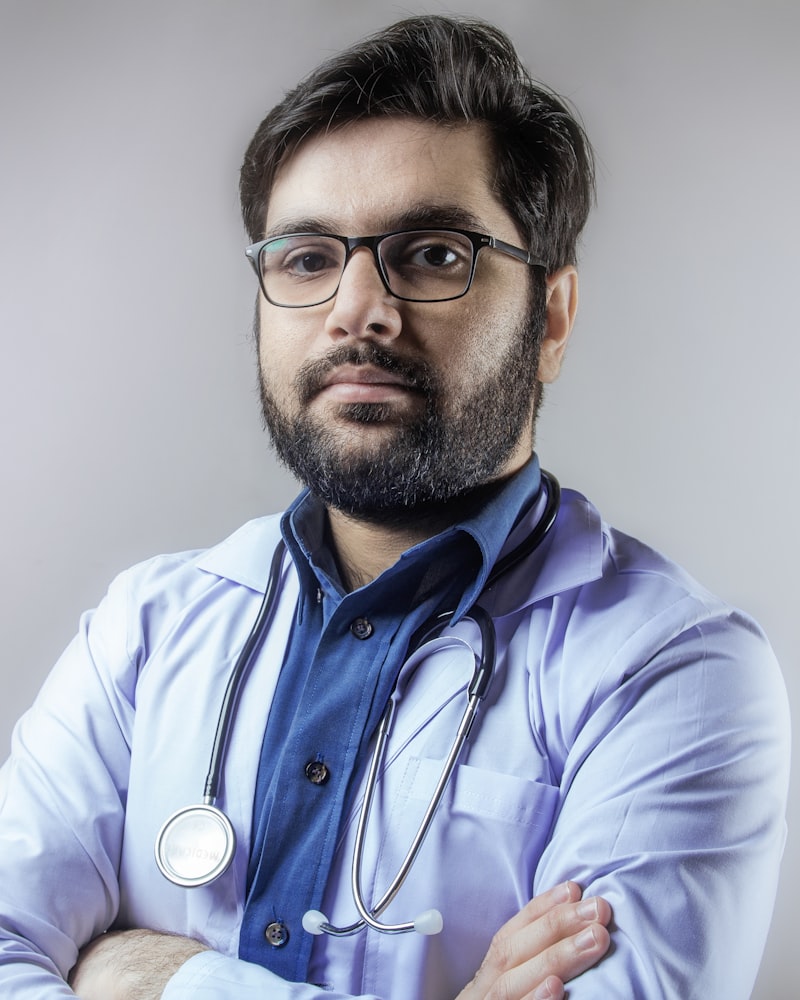
Medical Director
Hairline design & Sapphire FUE
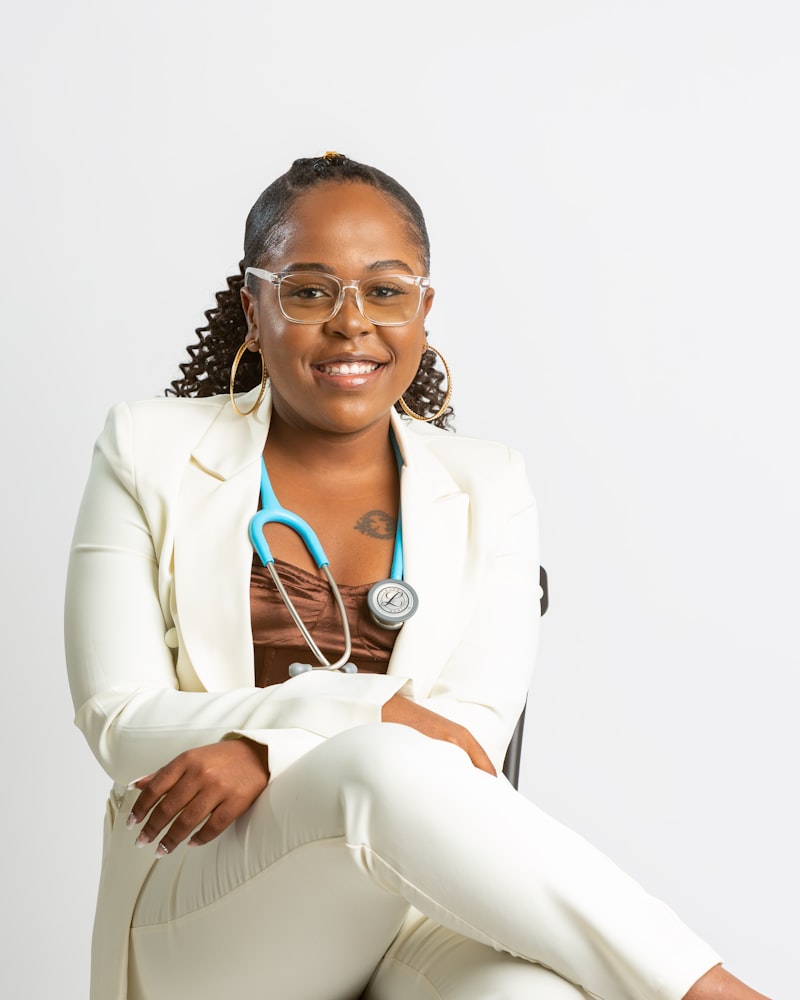
Restoration Specialist
DHI & female pattern hair loss
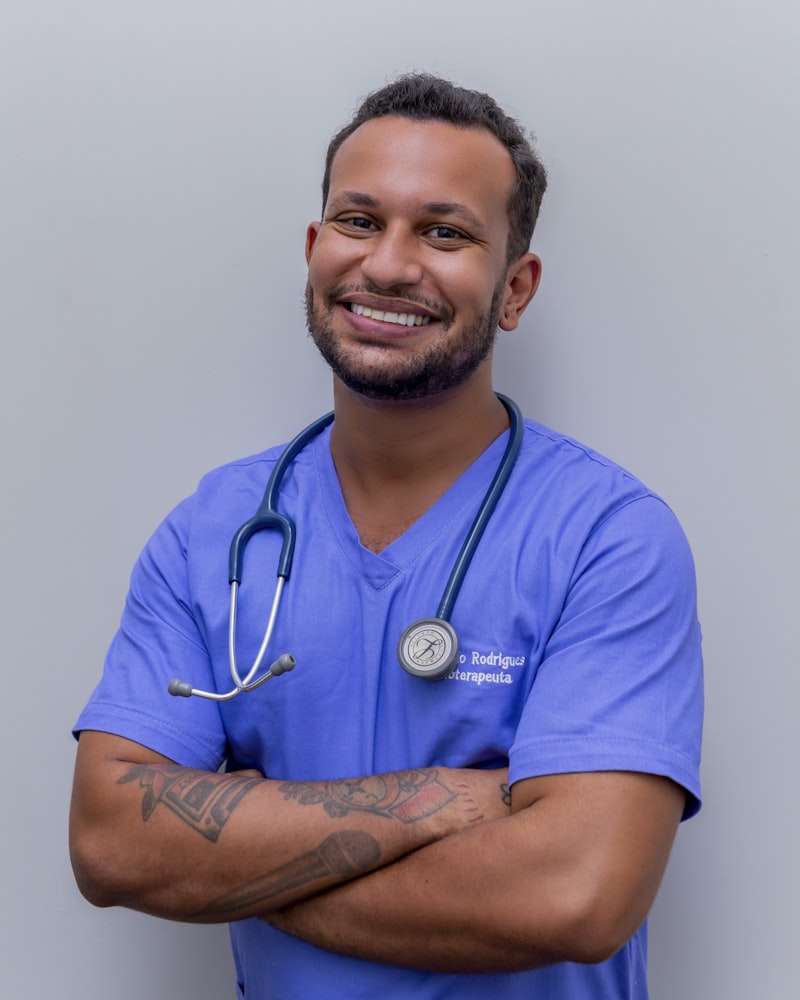
Consultant Surgeon
Beard, eyebrow & repair work
Patient Stories
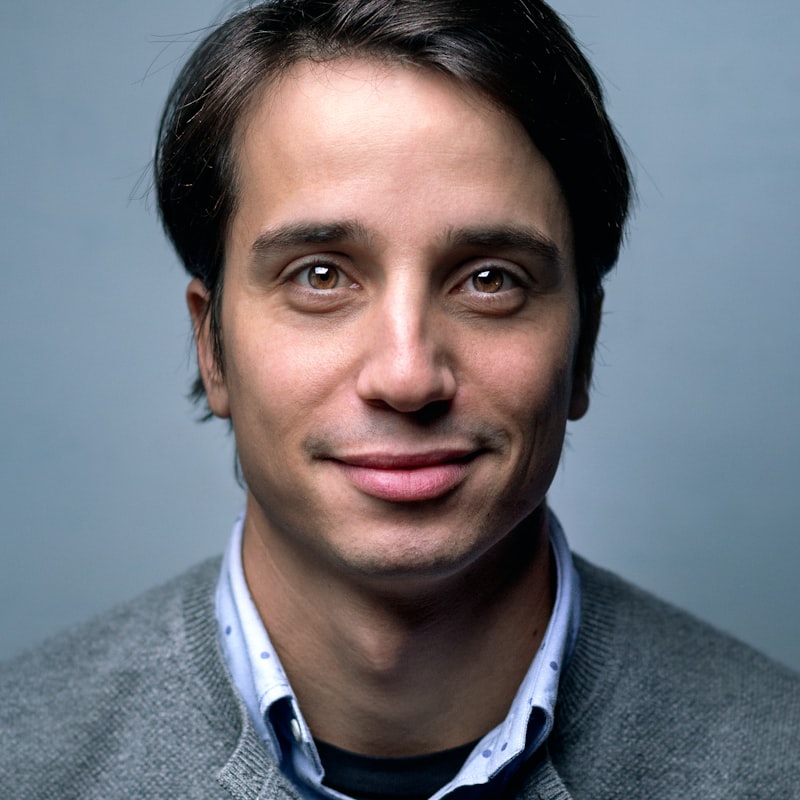
“I finally stopped worrying about my hairline.”
Three consultations before I found Sapphire, and this was the first one where someone drew the hairline on my face and explained why. A year on it just looks like my hair.
Daniel R. London
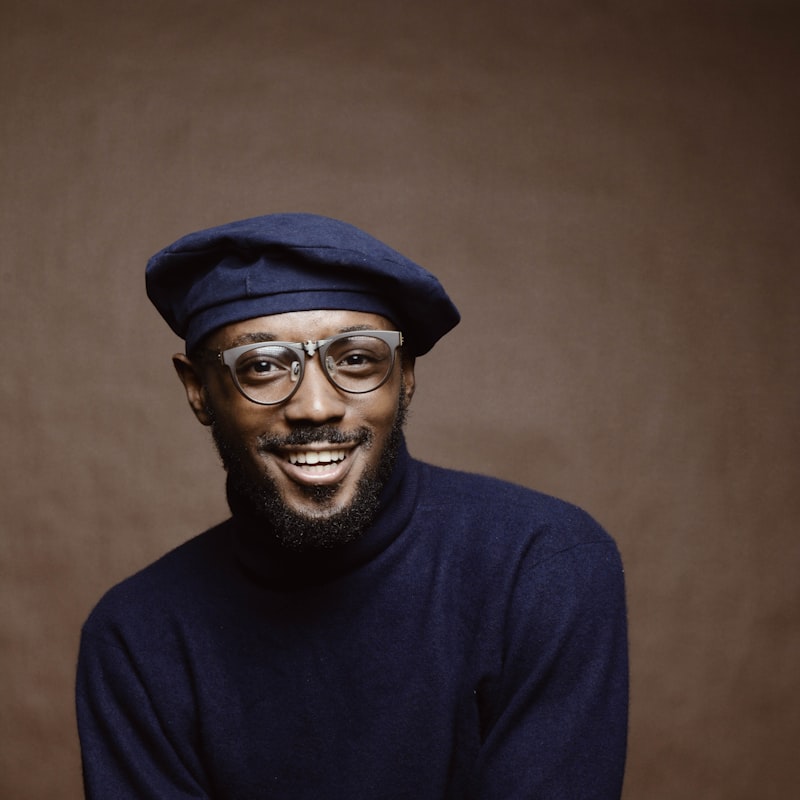
“The planning was more thorough than the surgery.”
I expected a sales pitch and got a diagnosis instead. They told me to wait six months and treat the shedding first. That honesty is why I came back.
Marcus T. Manchester
“Nobody has ever asked me if I had it done.”
The angles are what sold me. You can see in the close-ups that every graft is placed the way the hair naturally falls, not just pushed in straight.
Adam K. Birmingham

“They treated female hair loss seriously.”
I had been told for years that it was stress. Sapphire ran the bloods, mapped the thinning and started a PRP course. The parting has closed noticeably.
Priya S. Leeds
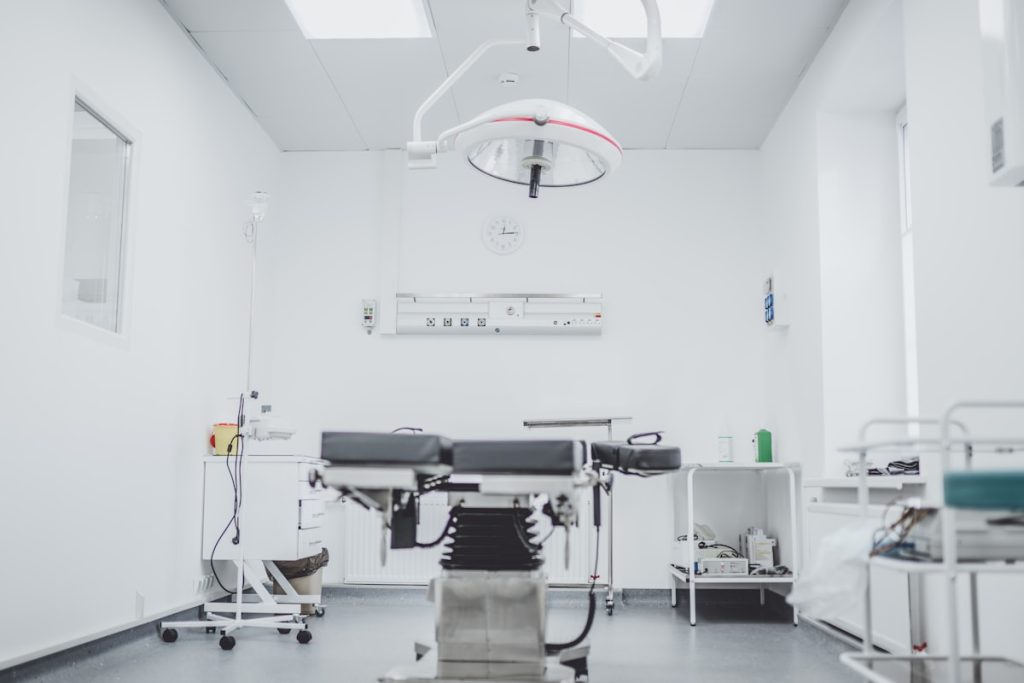
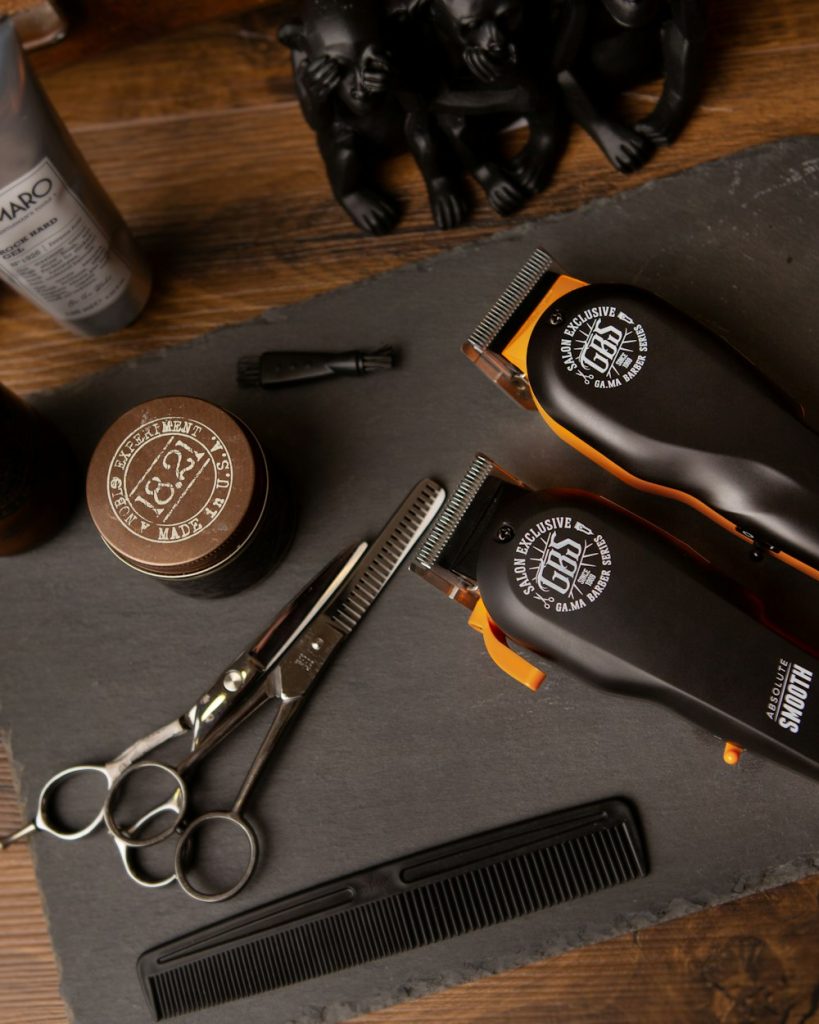
The Clinic




Questions
Still unsure? Our coordinators answer questions by phone or WhatsApp before you commit to anything.
Ask us directlyTransplanted follicles are taken from the donor area at the back and sides of the scalp, which is genetically resistant to the hormone that causes pattern hair loss. Those grafts keep growing for life. Untreated native hair around them can continue to thin, which is why a plan often includes maintenance treatment.
The scalp is fully numbed with local anaesthetic, delivered with a pressure applicator so the injections themselves are barely felt. Most patients read, watch something or sleep through the day. Mild tenderness for two to three nights afterwards is normal and managed with simple painkillers.
It depends on the area being covered, your donor density and how coarse your hair is. A frontal hairline typically needs 1,500–2,500 grafts; a hairline with crown coverage usually falls between 3,000 and 4,500. We only quote a number after measuring your donor area under magnification.
Both extract follicles one at a time. With FUE the recipient channels are opened first — with sapphire blades in our clinic — and grafts are placed into them. With DHI the channel is opened and the graft implanted in a single movement using an implanter pen, which gives finer control of angle and depth and suits dense packing or working between existing hair.
Most patients return to desk-based work after three to five days. Visible redness and small scabs generally clear within ten to fourteen days. Physical work, gym training and swimming are paused for two to four weeks depending on the procedure.
Transplanted hairs shed at around week three — this is expected. New growth begins between months three and four, becomes clearly visible at six months, and reaches final density and texture between ten and twelve months. Beard and crown work can take slightly longer.
Pricing is set by graft count and technique rather than a flat package, and includes the consultation, procedure day, medication, aftercare kit and follow-up reviews. Your written quotation is issued after the analysis, with interest-free payment plans available over six to twelve months.
Suitability comes down to donor density, the stability of your hair loss and your general health. Patients under 25 with rapidly progressing loss are usually advised to stabilise medically first. We will tell you honestly if surgery is not the right step yet — roughly one in six enquiries is asked to wait.
Consultation
Book a personalised assessment with our hair restoration team.
No obligation Personalised assessment